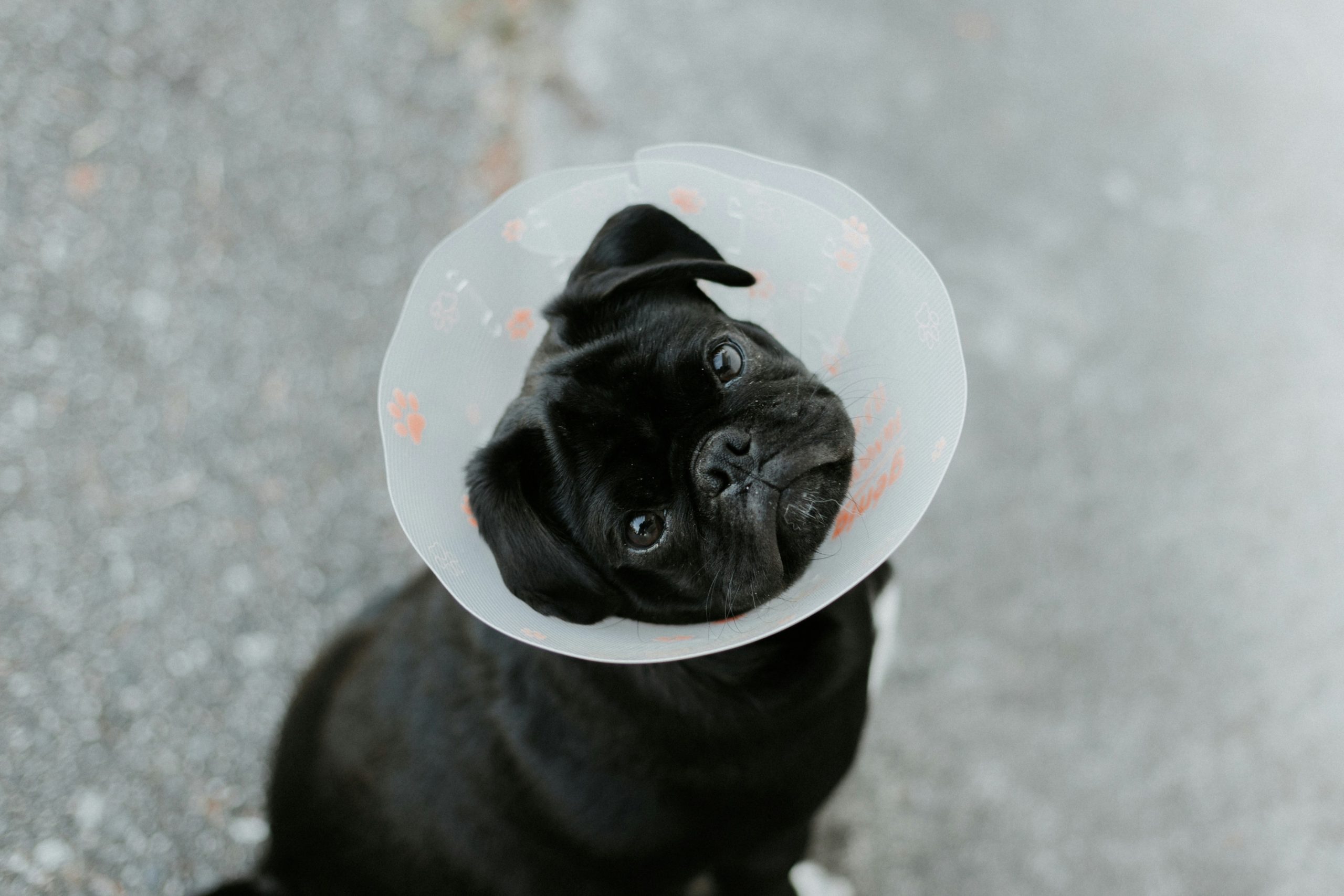
Benefits of Spaying and Neutering Pets: Behavioral Improvements

Key Takeaways
- Sterilization procedures significantly reduce aggressive tendencies in both male and female animals, often by substantial margins
- Territorial marking behaviors drop dramatically after altering surgery, making indoor living far more pleasant
- Roaming and escape attempts decrease once hormonal drives are removed, lowering the risk of accidents and loss
- Timing of the procedure matters, with early intervention generally producing better behavioral outcomes than later surgery
- Not every unwanted habit disappears after surgery, since learned behaviors still require training to correct
- Comparing surgical options against behavioral training alone reveals that the two approaches work best together, not as substitutes
Ask ten different pet owners what they expect to change after their dog or cat goes under the knife, and you will get ten different answers. Some swear their once-rowdy terrier became a couch potato overnight. Others insist nothing shifted at all. The truth, as usual, sits somewhere in the middle, and it depends heavily on the animal, the timing, and what behaviors you are measuring.
This piece is not a cheerleading campaign. It is a side-by-side look at how altering surgery stacks up against other approaches to behavior management, and what the evidence actually says about the shifts owners can realistically expect. There are tradeoffs, there are myths worth busting, and there are a few surprising wins that make the procedure more than a one-dimensional choice.
By the end, you should have a clearer sense of what the surgery delivers, what it does not, and how it compares to training-only approaches. Decisions about an animal’s wellbeing deserve more than hearsay.
How Does Hormone Removal Change Aggression?
Aggression is often the first thing families worry about, especially with larger male dogs or multi-pet households. Testosterone fuels a lot of posturing, fence-fighting, and dominance displays, so removing the source of that hormone does tend to lower the volume. But it is not a universal mute button, and expecting surgery to erase every rough edge sets owners up for disappointment. What neutering reliably softens are the hormone-driven behaviors: urine marking indoors, roaming to find a mate, mounting other dogs, and the testosterone-fueled standoffs between unfixed males who catch each other’s scent from across a dog park. What it does not touch is learned behavior, trauma responses, or genetic temperament.
According to PAWS Chicago, intact male dogs are 18 times more likely to bite, while unspayed females show a tenfold increase in bite risk compared to their altered counterparts. Those numbers are striking, and they reframe altering as a public safety matter as much as a household one. Insurance companies, municipal shelters, and even some homeowners’ associations have taken note, which is why spay and neuter programs sit at the heart of modern pet care policy. Still, context matters. A dog that bites out of fear or pain will keep biting after surgery, because hormones were never the driver. The same goes for a cat that lashes out when overstimulated or a dog guarding a food bowl from a toddler. Surgery addresses one lever among many, and smart owners pair it with environmental management and professional guidance when the behavior is complex.
When Training Alone Falls Short
Behavior consultants will tell you that modification techniques can address a huge range of issues without any medical intervention. Counter-conditioning, desensitization, and reward-based obedience work beautifully for leash reactivity and resource guarding. A skilled trainer can turn a reactive adolescent into a calm walking partner in a matter of months, provided the dog is physiologically able to focus. But when the root cause is hormonal, training can hit a ceiling. A persistently frustrated intact male fixated on neighborhood scents is not learning well. He is pacing, panting, drooling at the window, and tuning out even high-value treats because his nervous system is running on a different frequency. Surgery clears the fog, and training then has room to stick. Many trainers now recommend altering before beginning serious behavior work for exactly this reason, treating it as a prerequisite rather than an afterthought. The benefits of spaying and neutering pets, in this sense, extend well beyond the operating table and into every walk, every greeting, and every quiet evening at home.
The Marking Problem: Surgery Versus Behavior Modification

Few things test an owner’s patience like finding fresh urine on the couch leg, the hallway rug, or the side of a brand-new sofa you just paid to have delivered. Marking is a hormonal communication tool, not a housetraining failure, which is why cleaning sprays, crate training, and even expensive obedience classes rarely solve it on their own. Intact animals mark to broadcast information about their presence, their reproductive status, and their claim over a particular space, and no amount of corrective training will fully override that biological drive while the hormones fueling it remain in full supply. Understanding this distinction is one of the most practical benefits of spaying and neutering pets that owners discover once they stop fighting a losing battle with cleaning products.
Research from College Park Pet Wellness Clinic found that altered dogs showed a 90% greater likelihood of reducing territorial marking after the procedure. That is a dramatic shift, and it holds up across breeds, body sizes, and household types, from single-dog apartments to multi-pet suburban homes. Similarly, the Humane Society reports that the surgery resolves roughly 90 percent of marking cases in both dogs and cats. For cat owners in particular, this is a game-changer, since tomcat urine is notoriously pungent and can soak into drywall, baseboards, and subflooring in ways that are nearly impossible to fully clean.
Compare that to pure behavioral approaches, which can take months of consistent management and often require belly bands, pheromone diffusers, enzymatic cleaners, and strict supervision at every transition point in the day. Owners who go the behavior-only route frequently describe it as a second job: tracking triggers, blocking access to previously soiled zones, reinforcing outdoor elimination with treats, and reintroducing furniture in stages. The surgical route is faster and more complete for most animals, and it tends to reduce the stress on both the pet and the household because the underlying hormonal pressure to mark is simply no longer there. For older pets with deeply ingrained patterns, surgery combined with retraining still outperforms behavior modification alone by a wide margin, which is why most veterinarians recommend a layered strategy as part of responsible pet care. Here is how the two approaches compare for marking specifically:
- Surgical intervention: fast, high success rate, one-time cost, and addresses the hormonal root cause rather than just the symptom
- Behavioral management alone: slower, labor-intensive, requires ongoing diligence, and often plateaus before the problem is fully resolved
- Combined approach: highest success, especially for older animals with ingrained habits or multi-pet households where competition fuels marking
- Medication-based support: variable results, often used as a bridge during the hormonal wind-down period after surgery or in cases with anxiety components
- Environmental changes: helpful but rarely sufficient on their own, though they can meaningfully reduce relapse risk when paired with surgery and training
What About Roaming, Escape Attempts, and Restlessness?
An intact animal with mating on its mind is a flight risk. Males will scale fences, dig under gates, and bolt through open doors. Females in heat broadcast their status for miles, drawing suitors to the yard. All of that behavior drops sharply once the hormonal drive is gone.
This is where responsible pet care intersects with safety. Pets that stop trying to escape stay out of traffic, avoid fights with strange animals, and are less likely to end up at shelters. The behavioral shift is not just about convenience inside the home. It extends to the animal’s physical survival in a world full of hazards.
Owners who are also focused on finding the best pet services for routine wellness often find that the behavioral steadiness that follows surgery makes grooming visits, boarding stays, and vet exams considerably less stressful for everyone involved.
Comparing Roaming Reduction Methods
- Secure fencing: addresses symptoms, not drives
- GPS collars and trackers: useful but reactive
- Altering surgery: targets the hormonal root cause
- Daily exercise and enrichment: helpful supplement, not a cure
- Indoor-only lifestyle: works for cats more than dogs
The surgical approach stands out because it changes the animal’s internal motivation rather than just blocking the exit routes.
Do Social Behaviors Improve Across the Board?

Multi-pet households often see the clearest social shifts after altering, though the picture is nuanced. The American Society for the Prevention of Cruelty to Animals, cited through SPC Nevada, points to data showing that neutered male dogs experience a 60 to 90 percent drop in aggression toward other dogs, and that spayed female cats are less inclined to lash out at their human family members.
That said, personality still rules the day. A naturally confident, friendly animal becomes an even more pleasant housemate. A nervous, undersocialized one remains anxious until that underlying issue gets addressed through training or behavioral support. Surgery is a lever, not a reset button.
The behavioral benefits of spaying and neutering pets tend to be most pronounced when the procedure is paired with consistent socialization, exercise, and clear household rules. The animals that struggle most after surgery are usually the ones whose owners expected the operation to do all the work.
Consider the main areas where social behavior tends to shift:
- Reduced same-sex aggression in male dogs living together
- Fewer yowling and spraying episodes in male cats
- Calmer interactions during walks and park visits
- Less reactivity around visitors and delivery workers
- More predictable responses to training cues
- Decreased mounting of other animals, people, and objects
Timing, Age, and the Behavioral Payoff
The age at which an animal is altered has become one of the most debated topics in veterinary circles, and for good reason. Early intervention, typically before the first heat cycle or before puberty for males, tends to produce the most dramatic behavioral results because the animal never fully develops the hormonal patterns that drive marking, roaming, and same-sex aggression in the first place.
Later surgery still helps, but the degree of change narrows. A seven-year-old male dog who has been marking the dining room baseboards for years has built a habit on top of a hormonal urge. Removing the hormones softens the drive, but the learned pattern often lingers. That is where targeted retraining becomes essential as a follow-up.
What Owners of Older Pets Should Expect
- Partial reduction in marking rather than full elimination
- Noticeable but gradual decrease in roaming attempts
- Slower shifts in aggression, especially if conflicts are long-standing
- Better response to training once hormonal distractions ease
- Continued need for management tools during the transition period
The takeaway is simple: surgery works at any age, but it works best when the behaviors have not yet become ingrained routines.
Behavioral Gains Worth Considering Before Surgery
Not every behavioral change after altering is universally positive, and honest owners deserve the full picture. Some animals become noticeably calmer, which most families welcome. A few become less driven in ways that affect working roles, so herding dogs, hunting breeds, and performance animals sometimes need adjusted training approaches to maintain focus and drive after the procedure.
Weight management also becomes more important, because a calmer animal with a slower metabolism needs fewer calories. Owners who do not adjust feeding routines can see their pet gain pounds, which brings its own behavioral consequences like reduced play interest and lower exercise tolerance.
- Factor in a feeding adjustment within a few weeks of surgery
- Keep daily exercise consistent to channel remaining energy
- Continue structured training to reinforce desired habits
- Watch for any new anxiety behaviors that may need separate attention
- Give the animal several weeks to settle into the hormonal change
Final Thoughts
Altering surgery is one of the most studied, most widely recommended procedures in companion animal medicine, and the behavioral evidence backs up the reputation. Aggression drops, marking fades, roaming eases, and social interactions grow more predictable. These are not minor conveniences. They are the difference between a household that functions smoothly and one that struggles under the weight of constant management.
At the same time, the procedure is not a magic wand. Learned behaviors still need training to unwind, personality traits remain intact, and timing shapes the outcome more than most owners realize. The strongest results come from pairing the surgical approach with consistent socialization, clear rules, and ongoing enrichment. Owners who treat the operation as one tool among several tend to be the happiest with the results they see over the following months.
If you have been weighing the decision, the behavioral case is clear enough to take seriously. Talk to your veterinarian about timing, prepare for the adjustment period, and give your animal the structure they need to thrive on the other side of the procedure. The payoff shows up every day in a calmer, safer, more connected companion.