
How to Find Top Tier Services for Your Furry Friend

The relationship between humans and domesticated animals has undergone a profound cultural evolution over the last several decades. Pets are no longer relegated to the backyard or viewed merely as working animals; they have firmly established themselves as core members of the modern family unit. As our emotional bonds with our companion animals have deepened, our expectations for their care, health, and overall quality of life have skyrocketed. The modern pet owner is no longer content with basic kibble and a quick annual checkup. Today, we seek out specialized care, advanced enrichment, and premier medical attention to ensure our companions live long, vibrant, and deeply fulfilled lives.
However, the rapid expansion of the pet care sector has created an incredibly crowded and overwhelming marketplace. From boutique lifestyle services and high-tech monitoring apps to sophisticated multi-specialty veterinary hospitals, the options are limitless. Unfortunately, this booming industry is not uniformly regulated. Anyone with a passion for animals can launch a digital profile and claim professional expertise, making it difficult for discerning owners to separate unqualified enthusiasts from elite, certified specialists. Navigating this landscape requires a structured, analytical vetting strategy. This comprehensive guide provides an actionable roadmap to help you evaluate daily enrichment programs, choose certified behavior experts, and prepare for sudden medical crises with absolute confidence.
Daily Enrichment and Lifestyle Support: Selecting Socialization and Styling Care

Managing your pet’s daily routine involves finding trustworthy environments where they can socialize safely and maintain proper physical hygiene. Because these service providers handle your pet frequently, checking their operational standards is a primary defensive measure.
Evaluate Safety Protocols and Group Dynamics in Group Facilities
For energetic, social animals, spending weekdays in a communal play environment is a fantastic way to prevent separation anxiety and destructive behavior at home. However, packing random animals into an enclosed space without strict supervision is a recipe for severe behavioral trauma and physical injuries.
- Staff-to-Animal Ratios: Ensure the facility maintains an active, alert supervision ratio of at least one trained attendant for every ten to fifteen animals.
- Mandatory Health Screenings: Elite facilities must require up-to-date proof of core vaccinations, including Rabies, Bordetella, and Distemper, alongside regular fecal exams to prevent parasite outbreaks.
- Temperament Assessments: A reputable facility must conduct a mandatory, one-on-one behavioral evaluation before admitting any animal into group play.
- Look for Strategic Separation: Choosing a highly organized doggy day care that strictly separates animals by their physical size, physiological maturity, and unique energy level minimizes the risk of predatory drift or accidental trampling injuries. Elite handlers will proactively document behavioral progress, noting how each animal manages stimulation levels over time.
Assess Styling Standards and Low-Stress Handling
Regular grooming is a fundamental requirement for systemic health, preventing painful fur matting, skin infections, and overgrown nails that can alter skeletal alignment over time.
- Sanitization Loops: Look for groomers who completely sanitize their tubs, tables, and clipper blades between every client to eliminate the spread of contagious skin conditions.
- Drying Safety: Avoid facilities that utilize unsupervised heated cage dryers, which can cause fatal heat stroke in sensitive or brachycephalic breeds.
- Prioritize Low-Stress Specialists: A patient-certified dog groomer who utilizes positive reinforcement techniques guarantees that your pet associates the grooming table with reward rather than fear, effectively managing styling anxiety.
Behavior and Communication: Sourcing Expert Behavioral Modification
Proper socialization must be paired with structured education. Training is not about forcing an animal into submission; it is about building a clear, bidirectional line of communication that allows your pet to navigate human environments safely and confidently.
Differentiate Between Methods, Certifications, and Industry Claims
The animal training market is highly unregulated, meaning anyone can purchase a leash and advertise themselves as a master behaviorist. Relying on trainers who use outdated, dominance-based correction methods can cause severe behavioral fallout, escalating mild insecurities into deep-seated aggression.
- Look for Verified Credentials: Seek out professionals certified by independent bodies, such as the Certification Council for Professional Dog Trainers or the International Association of Animal Behavior Consultants.
- Evaluate Training Philosophies: Choose providers who rely on science-based, force-free positive reinforcement methodologies that motivate animals to learn through rewards, completely avoiding shock collars, choke chains, or physical intimidation.
Structure a Collaborative Learning Environment
An elite behavioral program should focus on changing the animal’s internal emotional state while teaching the owner how to read subtle body language cues.
- Owner-Centric Coaching: True education requires active owner participation to ensure commands transfer smoothly to the home environment. This comprehensive approach addresses the root cause of the behavior rather than merely suppressing the external symptoms.
- Inquire About Comprehensive Packages: Investing in modern dog training services that focus on customized, real-world scenarios—such as polite leash walking, impulse control around distractions, and resource guarding prevention—sets your pet up for long-term success.
- Hire a Dedicated Consultant: Partnering with an experienced, certified dog trainer who takes the time to analyze your pet’s specific environmental triggers allows you to dismantle problematic behaviors safely, ensuring your companion remains a welcome, relaxed participant in your daily life.
Travel and Extended Accommodations: Securing Premium Overnight Care
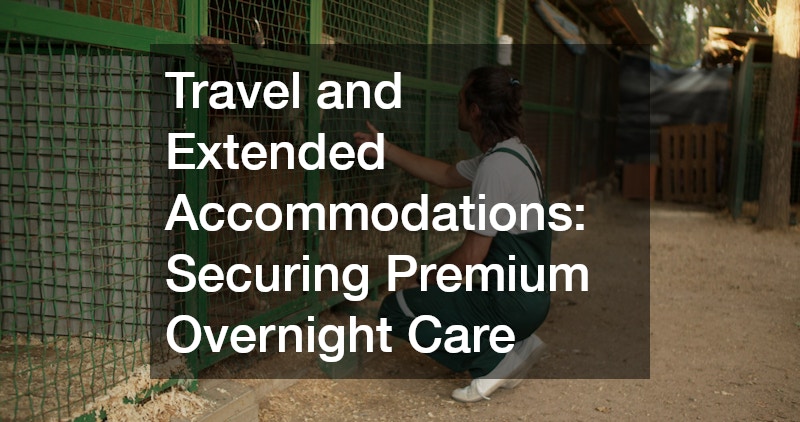
Whether you are traveling for business or taking a family vacation, finding an environment where your pet can stay overnight without experiencing severe psychological distress is a vital component of pet ownership.
Audit Overnight Facilities for Structural Security and Human Interaction
Leaving your companion behind can induce intense separation anxiety, making it essential to audit potential lodging facilities in person before your departure date.
- Structural Safety Barriers: Verify that the facility features a secure, double-gated entry and exit system to prevent accidental escapes, alongside automated climate control and 24/7 fire monitoring systems.
- Supervision and Routines: Inquire about the exact number of hours animals are left entirely unattended overnight, and confirm that your pet’s specific dietary guidelines and medication schedules will be strictly logged and executed.
Evaluate Luxury Hospitality Options
Traditional, high-density kennel environments that utilize concrete floors and chain-link runs can be incredibly loud and stressful, often leading to gastric distress or behavioral regression.
- Seek Low-Density Lodging: Look for premium boarding facilities that mirror a comfortable home environment, offering private, noise-dampened suites, elevated orthopedic beds, and personalized television or soothing music arrangements.
- Verify Individualized Care: Ensure the facility includes individual, one-on-one play sessions with dedicated caretakers, allowing your companion to receive adequate mental stimulation and human comfort throughout their stay.
Advanced Wellness and Rehabilitation: Maximizing Physical Mobility
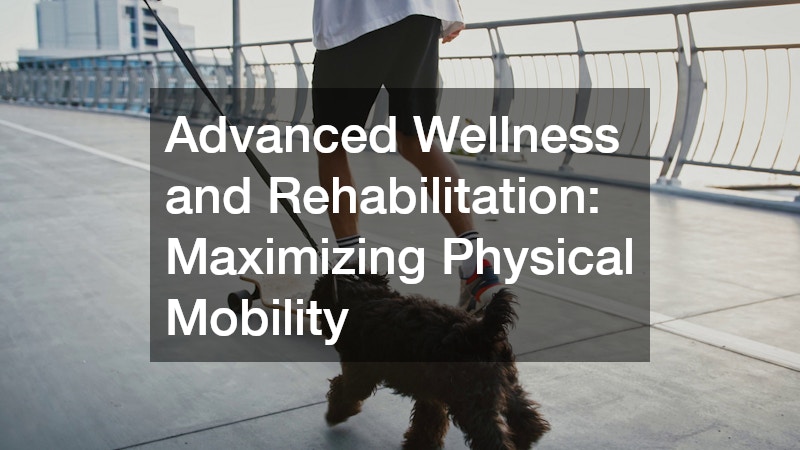
As pets live longer lives due to advancements in veterinary medicine, they encounter aging complications similar to humans, including arthritis, joint degeneration, and soft-tissue strains.
Identify Specialized Musculoskeletal and Post-Operative Care Needs
Maintaining physical mobility is directly linked to an animal’s emotional well-being and lifespan. When a pet suffers from chronic joint pain or is recovering from major orthopedic surgery, basic rest is rarely enough to ensure a full recovery.
- Watch for Subtle Pain Indicators: Monitor your companion for slow rising from a resting position, a sudden hesitation before climbing stairs, an altered gait, or muscle wasting in the hindquarters.
- Targeted Recovery Interventions: Modern veterinary science utilizes cutting-edge therapeutic modalities, such as underwater treadmills, therapeutic lasers, and targeted neuromuscular electrical stimulation, to rebuild muscle tissue safely.
Integrate Restorative Medicine into Daily Routines
Proactively addressing structural weaknesses can prevent minor joint issues from escalating into permanent mobility limitations.
- Rebuild Core Stability: Enrolling your aging or injured pet in specialized pet physical therapy programs managed by certified canine rehabilitation practitioners helps restore a fluid range of motion without placing excessive stress on fragile joints.
- Preserve Soft-Tissue Health: These therapeutic specialists design customized stretching routines, balance board exercises, and manual massage therapies that alleviate chronic compensation pain, helping your companion maintain active, pain-free vitality well into their senior years.
Navigating Immediate Medical Care: Managing Non-Life-Threatening Illnesses
When your pet develops a sudden, acute illness, navigating the healthcare system efficiently is vital to ensuring prompt relief while avoiding unnecessary stress and excessive financial burdens.
Recognize the Boundaries of Urgent Outpatient Care
Not every sudden cough, bout of mild lethargy, or minor skin scrape requires a late-night rush to an emergency trauma center. Recognizing the difference between an intermediate illness and a life-threatening crisis allows you to utilize outpatient resources intelligently.
- Identify Intermediate Symptoms: Conditions like sudden ear infections, minor hot spots, localized insect stings, mild limping, or a single episode of vomiting are best managed through focused outpatient care rather than critical trauma units.
- Avoid Crowded Traumas: Going straight to a primary care or outpatient environment for minor issues prevents you from waiting hours behind critical triage cases while avoiding substantial emergency facility fees.
Secure Prompt Medical Access Without Emergency Markups
To manage acute, non-life-threatening health anomalies effectively, you need an agile veterinary network that can accommodate rapid, flexible scheduling.
- Build an Agile Relationship: Partner with a primary veterinary practice that sets aside specific time slots each morning to accommodate a same-day vet appointment for existing clients dealing with sudden, acute symptoms.
- Utilize Outpatient Walk-In Clinics: If your primary practitioner is completely booked or closed for the weekend, utilizing a dedicated walk-in urgent care veterinarian clinic ensures your pet receives immediate diagnostic lab work, fluid therapy, or prescription medications without enduring the chaotic environment or premium pricing of a major trauma center.
Crisis Management: Preparing for Catastrophic Medical Emergencies
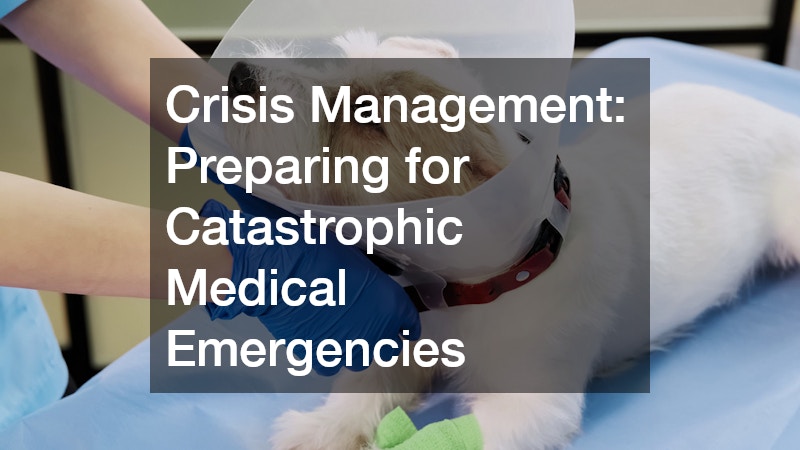
While outpatient facilities are perfect for intermediate care, true life-or-death situations require immediate access to a specialized, high-capacity critical care hospital.
Map Out Toxic Ingestions, Severe Trauma, and Critical Timelines
In a true medical crisis, every single second matters. Homeowners must be able to instantly identify catastrophic symptoms that demand immediate, uninterrupted critical intervention.
- Recognize Life-Threatening Crises: Severe respiratory distress, continuous bleeding, sudden paralysis, hard and distended abdomens accompanied by unproductive retching, seizures, or the known ingestion of highly toxic substances like antifreeze, rodenticides, or lilies require instant action.
- Prepare an Emergency Transport Routine: Keep an emergency transport kit ready in your home containing extra leashes, a sturdy muzzle, a copy of your pet’s medical history, and a heavy blanket that can serve as a makeshift stretcher if your pet is unable to walk.
Identify Regional 24/7 Critical Care Facilities
When a true disaster strikes at midnight, you cannot afford to waste precious minutes looking for an open emergency vet on your smartphone. You must have your emergency route pre-planned and fully vetted in advance.
- Pre-Map Your Drive: Know the exact route to the nearest fully staffed, 24-hour emergency vet hospital, and keep their contact number pre-programmed into your mobile phone so you can call them while en route to prepare their triage team. Advanced stabilization techniques are deployed immediately upon arrival to secure vital signs before advanced diagnostic imaging begins.
- Verify Hospital Capabilities: Take the time to identify premier pet emergency clinics in your area that house advanced, on-site critical care infrastructure. This includes advanced blood banking services, continuous oxygen support hoods, internal telemetry units, and board-certified veterinary surgeons available on-site around the clock to initiate life-saving procedures the moment you arrive.
Additionally, familiarize yourself with potential emergency scenarios specific to your pet’s breed or health conditions so you can communicate effectively with the medical team. Having a basic understanding of first aid for pets can also empower you to act swiftly while en route, potentially making a crucial difference in an emergency situation.
Conclusion
Building a premium, comprehensive care network for your companion animal is a profound expression of modern pet stewardship. While navigating the crowded, unregulated pet care marketplace demands significant time, patience, and careful research, the ultimate return on investment is realized in your pet’s health and happiness. By shifting away from impulsive choices and implementing a rigorous vetting process—from demanding certified training credentials to pre-mapping emergency medical routes—you systematically insulate your family from substandard care and predatory pricing.
When you invest the energy required to surround your companion with verified specialists, you gain an invaluable asset: absolute peace of mind. Knowing that your pet’s daily socialization is physically secure, their behavioral development is rooted in science, and their medical network is fully prepared for any scenario creates a safe, predictable environment where they can truly thrive. By taking complete charge of the vetting process, setting uncompromised standards, and remaining proactive, you honor the profound bond you share with your beloved companion, ensuring you enjoy a lifetime of vibrant, joyful, and healthy adventures together.